
Chronic Inflammatory Response Syndrome (CIRS): Biotoxin Illness Revealed

Chronic Inflammatory Response Syndrome (CIRS) is a complex and often debilitating condition triggered by exposure to biotoxins, such as mold and actinomycete bacteria from water-damaged buildings. These environments can provoke an overwhelming inflammatory response in those genetically predisposed, leading to a cascade of health issues that deeply affect quality of life. This post delves into the intricacies of CIRS, the genetic factors involved, and offers strategies to manage the condition and improve living environments. Biotoxin Illness can trigger chronic illness in any living being who is exposed to any amount of biotoxins. Some people never fully recover.
What is CIRS?
CIRS is a medical condition characterized by a systemic inflammatory response to biotoxins, such as mold, bacteria, and other environmental toxins. It is particularly prevalent in those exposed to water-damaged buildings, as they harbor the ideal conditions for mold growth and bacterial contamination. Symptoms include chronic fatigue, muscle aches, headaches, respiratory issues, and cognitive difficulties. Some people suffer from brain atrophy, otherwise known as non-trauma brain injury.
A non-trauma brain injury refers to any damage to the brain that is not caused by an external physical force or impact. Unlike traumatic brain injuries (TBIs), which result from events such as falls, car accidents, or blows to the head, non-trauma brain injuries are typically caused by internal factors or medical conditions. These can include:
- Stroke: Occurs when the blood supply to part of the brain is interrupted or reduced, preventing brain tissue from getting oxygen and nutrients.
- Anoxia or Hypoxia: A reduction or complete lack of oxygen to the brain, which can occur due to drowning, choking, or cardiac arrest. Anoxia or hypoxia can also result from insufficient oxygen reaching the lungs, which may occur due to conditions such as severe asthma, high altitudes, or respiratory diseases that impair breathing.
- Infections: Such as encephalitis or meningitis, where the brain or surrounding membranes become inflamed due to viral or bacterial infections. Inhaling mycotoxins, mold spores, and bacteria can induce infections in the sinuses, leading to MARCONS (Multiple Antibiotic Resistant Coagulase Negative Staphylococci) or bacterial poisoning, which may trigger brain tissue atrophy due to the inflammatory response.
- Tumors: Abnormal growths in the brain that can disrupt normal brain function.
- Metabolic Disorders: Conditions like severe liver or kidney disease can lead to an accumulation of toxins in the blood, affecting brain function. Biotoxins accumulating in the liver can lead to the development of fatty liver disease, necessitating consistent detoxification to maintain liver health and function.
- Toxic Exposure: Exposure to certain chemicals or drugs that can damage brain cells. Exposure to mold and bacteria can lead to brain atrophy, potentially setting individuals on a path toward dementia due to the chronic inflammation and damage caused by these pathogens.
- Degenerative Diseases: Conditions such as Alzheimer’s disease or Parkinson’s disease, which progressively affect brain function over time. Exposure to mold and bacteria can lead to brain atrophy, potentially setting individuals on a path toward dementia due to the chronic inflammation and damage caused by these pathogens.
Non-trauma brain injuries can lead to a wide range of symptoms, depending on the area of the brain affected and the severity of the injury. These symptoms might include cognitive deficits, memory problems, speech and language difficulties, emotional and behavioral changes, and physical impairments. Early diagnosis and intervention are crucial in managing the effects of non-trauma brain injuries and improving outcomes for individuals affected by them.
The Role of Genetics in CIRS
Genetic predisposition plays a significant role in determining who might develop CIRS. Certain genetic markers, particularly those related to the HLA-DR gene, affect the immune system’s ability to recognize and process biotoxins. Individuals with these genetic variants may be unable to effectively clear these toxins, leading to a persistent inflammatory response. The Biotoxin Pathway Chart demonstrates an overview of how biotoxins affect the body.
understanding Water Damaged buildings
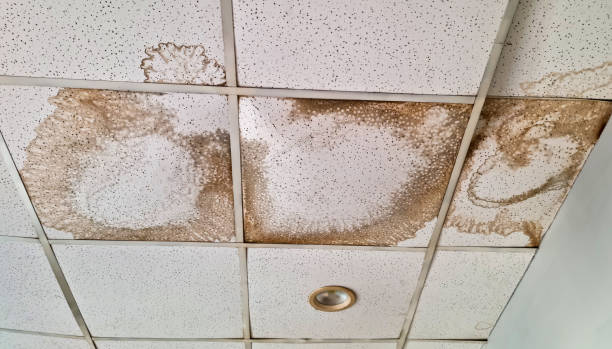
A water-damaged building is any structure that has suffered damage and deterioration due to the presence and intrusion of water. This can occur as a result of various factors such as leaks, flooding, high humidity, or inadequate drainage. When water infiltrates a building, it can lead to a host of problems, including:
- Mold Growth: Moist environments provide the perfect breeding ground for mold and mildew, which can spread rapidly and release spores into the air, posing health risks to occupants.
- Structural Damage: Prolonged exposure to water can weaken structural components like walls, floors, and ceilings, leading to warping, cracking, or even collapse.
- Material Deterioration: Water can cause materials such as wood to rot, metal to corrode, and drywall to disintegrate.
- Bacterial Contamination: Water damage, particularly from flooding, can result in contamination with bacteria, viruses, and other pathogens.
- Degraded Indoor Air Quality: The presence of mold and bacteria can contribute to poor indoor air quality, causing respiratory issues and other health concerns.
Water-damaged buildings are often problematic because they can create an environment conducive to Chronic Inflammatory Response Syndrome (CIRS) and other health problems, particularly in sensitive individuals. Effective management and remediation of water damage involve addressing the source of moisture, removing contaminated materials, and ensuring proper ventilation and dehumidification to prevent future issues.
Is Your Work Environment Safe?
Creating a safe working environment to prevent Chronic Inflammatory Response Syndrome (CIRS) in buildings requires a comprehensive approach focusing on maintaining healthy indoor air quality and minimizing exposure to potential biotoxins. Here are key steps to achieve this:
-
Regular inspections and Maintenance
- Frequent Inspections: Conduct regular inspections for leaks, water damage, and mold growth, especially in areas prone to moisture like basements, ceilings, and bathrooms.
- Scheduled Maintenance: Establish a routine maintenance schedule for building systems, including HVAC, plumbing, and roofing, to prevent and quickly address any issues.
-
Effective Moisture Control
- Address Leaks Promptly: Repair any plumbing leaks, roof damage, or drainage issues immediately to prevent water intrusion.
- Use Dehumidifiers: In humid climates, use dehumidifiers to maintain indoor humidity levels below 50%, reducing the risk of mold growth.
- Proper Drainage Systems: Ensure exterior drainage systems direct water away from the building to avoid foundation damage and flooding.
-
Indoor Air Quality Management
- HVAC System Management: Use high-efficiency particulate air (HEPA) filters in HVAC systems to capture mold spores and other particulates. Regularly clean and replace filters to maintain air quality.
- Ventilation: Improve ventilation with fresh air exchanges to dilute indoor contaminants and maintain healthy air quality.
- Air Purification: Implement additional air purification systems, such as ionizers and ultraviolet (UV) lights, to reduce airborne bacteria and mold.
-
Use of Non-Toxic Materials
- Avoid VOCs: Choose low-VOC (Volatile Organic Compounds) paints, sealants, and cleaning products to minimize toxic emissions and maintain safer air quality.
- Natural Materials: Opt for building materials and furnishings made from natural or non-toxic components that reduce chemical off-gassing.
-
Water Damage Preparedness
- Baseline Assessments: Establish baseline environmental assessments to identify vulnerabilities in the building’s design or materials that could lead to water damage.
- Response Plan: Develop a comprehensive water damage response plan, including swift actions for mitigation and restoration after any leak or flood event.
-
Education and Awareness
- Inform Occupants: Educate employees and building occupants about the signs of water damage and mold growth, encouraging them to report issues promptly.
- Training: Provide training for maintenance staff to effectively recognize and address biotoxin risks.
-
Address Sick Building Syndrome
- Monitor Building Health: Keep detailed records of complaints related to building health and respond swiftly to potential issues.
- Regular Evaluations: Schedule professional evaluations of building health to prevent sick building syndrome and promote a healthy working environment.
-
Portable Solutions
- Air Purifiers and Dehumidifiers: Use portable air purifiers with HEPA filters and dehumidifiers in areas where centralized systems are insufficient or during particularly humid periods.
By implementing these strategies, buildings can become safer environments that reduce the risk of CIRS, promoting the well-being of all occupants. Such proactive measures not only help in preventing health issues but also enhance comfort, productivity, and overall safety in the workplace. Prioritizing these efforts can build a culture of health and responsibility in managing indoor environments.
Addressing Sick Building Syndrome
CIRS is closely linked to Sick Building Syndrome, where poor indoor air quality in schools and workplaces contributes to health problems:
- Routine Maintenance: Conduct regular inspections for water damage in institutional buildings.
- Modern HVAC Solutions: Implement systems that include filtration, humidity control, and air purification.
- Portable Solutions: Use portable air purifiers and dehumidifiers to enhance air quality, particularly in areas with known problems.
Creating a Safe Home Environment
Ensuring your home is free from potential biotoxins can significantly impact your healing journey:
- Eliminate VOCs and Chemicals: Use natural cleaning products and avoid synthetic fragrances and materials that emit volatile organic compounds (VOCs).
- Regular Mold Inspections: Regularly check for water leaks and mold growth, particularly in basements, bathrooms, and kitchens. Envirobiomics sells the most comprehensive & affordable way of testing. The #7 Test Kit will reveal endotoxins, microorganisms (including molds), and bacteria present in your indoor environment.
- Prioritize Ventilation: Promote good airflow to prevent the buildup of toxins. Use exhaust fans and open windows when possible, unless you live in a tropical location that is very humid. An ionization system along with UV light for your HVAC system is essential when living in a humid climate.
Enhancing Indoor Air Quality
Improving the air quality in your home is essential in managing CIRS:
- Regular Duct Cleaning: Ensure HVAC systems are maintained and ducts are cleaned to prevent the spread of mold and bacteria.
- Integrate Air Purification Systems: Use portable air purifiers with HEPA filters and consider whole-home systems with ionizers and UV lights.
- Maintain Proper Humidity Levels: Use dehumidifiers to keep indoor humidity below 50% to inhibit mold growth.
Supporting Liver Health for Detoxification
Detoxifying the body is crucial for managing CIRS, especially since the liver is responsible for metabolizing and eliminating toxins. Use binders to support liver health and maintain a very clean diet free of chemicals, fungus, & potential parasites.
- Hydrate: Drink plenty of filtered water to support detoxification processes.
- Promote Liver Health with Nutrition: Incorporate liver-supportive foods like leafy greens, beets, garlic, and turmeric into your diet.
- Use Supplements Wisely: Consider supplements such as milk thistle or N-acetylcysteine (NAC) to enhance liver function. Always consult with a healthcare provider before starting new supplements.
- Moderate Alcohol and Processed Foods: These can burden the liver further and should be minimized.
The Impact of CIRS on Lives
CIRS can profoundly affect those who suffer from it, leading to devastating personal and social consequences. Many people find themselves unable to work and may lose their homes due to pervasive health issues. Social relationships often suffer, and in severe cases, individuals may face the heartbreaking loss of custody due to incapacity to care for their children. An understanding and systematic approach to managing CIRS is crucial to helping affected individuals reclaim their lives.
Towards Healing and Awareness
CIRS requires a comprehensive approach that addresses both health management and environmental improvements. By increasing awareness, enhancing living & working conditions, and seeking appropriate medical interventions, individuals can begin to manage the impacts of CIRS effectively. This complex condition underscores the importance of building maintenance and proactive health management in preventing and mitigating the effects of biotoxin exposure.
Call to Action
Communities and institutions must prioritize awareness and interventions for CIRS and Sick Building Syndrome to support those affected and prevent further cases. By fostering safer environments and supporting those affected, we can make strides towards a healthier future for all.
Essential Action needed
Together as a human race, we must create and advocate for environments & agencies that nurture prevention, support well-being, and provide further resources for recovery from CIRS. Most importantly, institutions such as our nation’s schools and healthcare facilities (including long-term), should be the top priorities. Education is key to protecting yourself and your family from the buildings you frequent and live in.
Start your CIRS recovery journey
Energy Healing is an effective way to detect a chronic inflammatory response affecting the body. For example, if you have been exposed to mold or fungus, this will show up in a Body Code session. When you release energetic imbalances from the body, it becomes less burdened and more able to balance and recover. Biotoxins can be detected and energetically released from the locations where they have become lodged. The Emotion Code® and The Body Code® are very effective at managing CIRS and supporting the chronic aspect of the condition. Without a doubt, detoxing from longterm Biotoxin exposure is frustrating. Energy Healing supports the process by releasing energetic imbalances, including the energy of the toxins themselves, bringing hope to all who are suffering from this debilitating condition (CIRS) due to chronic biotoxin exposure.

Share Your Thoughts